
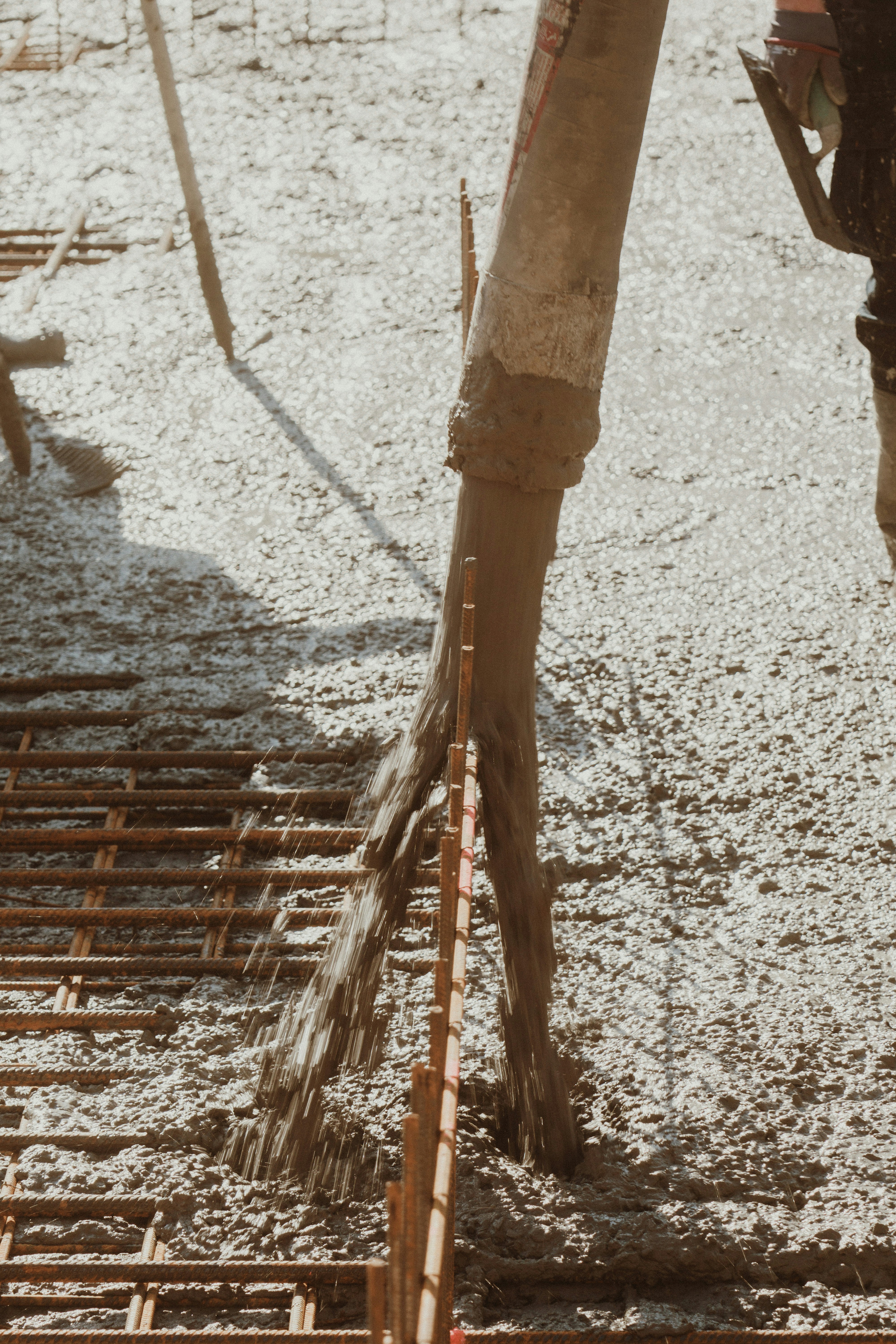
Understanding Concrete Pouring Seasons
The process of pouring concrete is heavily influenced by the seasons, particularly in regions like Waterloo and Kitchener, where climate variations play a significant role in the curing and setting of concrete. Ideally, the best time to pour concrete falls within the spring to early summer months, specifically from late April to early July. During this timeframe, temperatures are generally mild, which aids in the proper curing of concrete, ensuring its strength and durability.
Concrete pouring requires ambient temperatures between 10°C and 32°C (50°F and 90°F) for optimal results. At temperatures lower than 10°C, the hydration process slows down, which may lead to incomplete curing and compromised structural integrity. Conversely, temperatures exceeding 32°C can lead to rapid evaporation of moisture from the concrete surface, potentially causing cracking or weak spots as the material dries too quickly. Consequently, monitoring the weather and choosing the right pouring day is essential for success.
An understanding of local weather patterns is also crucial. Waterloo and Kitchener experience a range of climate conditions throughout the year, with cold winters and humid summers. The transition from late summer into fall presents challenges, such as increasing precipitation and lower temperatures, which can negatively impact concrete curing. Late autumn, specifically after October, is typically not recommended for concrete pouring, as the risk of frost increases, leading to potential defects in newly poured concrete.
In conclusion, selecting the right season for pouring concrete in Waterloo and Kitchener is pivotal for ensuring the longevity of driveways, stairs, and foundations. Spring and early summer provide the most favorable conditions, allowing for a successful and long-lasting concrete installation.
Preparing for Cold Weather Concrete Work
When planning to pour concrete during the colder months in Waterloo and Kitchener, it is essential to take specific precautions to ensure the integrity and durability of the finished project. Cold weather can significantly impact concrete curing and hardening processes; thus, proper preparation is crucial. First and foremost, protecting the concrete from freezing temperatures is a primary concern. Temperatures below 5°C (41°F) can hinder the curing process, causing the concrete to set improperly and leading to potential long-term damage.
One effective technique for mitigating the effects of cold weather is to utilize insulating blankets. These blankets help maintain a stable temperature around the freshly poured concrete, preventing it from freezing. In addition to blankets, other heating elements, such as portable heaters or heated enclosures, can be utilized to create a warmer environment for the concrete as it cures.
Another important consideration when pouring concrete in cold conditions is the mix ratio. It is recommended to use a concrete mix specifically designed for cold weather. Such mixes often feature additives like accelerators that enhance the curing speed and reduce the risk of freezing. Additionally, ensuring that the materials used—such as water and aggregates—are at a suitable temperature is vital. Ideally, warm water should be used during mixing, as it will help maintain a favorable curing atmosphere.
Moreover, it is crucial to monitor the forecast and choose a day for pouring that predicts milder temperatures. By planning ahead and employing the right tools and techniques, you can effectively prepare for cold weather concrete work. This preparation can significantly enhance the longevity and performance of the concrete structures, ensuring they withstand the test of time in a challenging climate.
Best Practices for Concrete Pouring in Cooler Months
Pouring concrete in cooler months, particularly during fall and winter, presents unique challenges that require careful planning and execution. One of the primary considerations is the timing of the pour. Ideally, concrete should be poured during the warmest part of the day, typically between 10 a.m. and 2 p.m., when temperatures are most favorable. This practice helps ensure that the concrete maintains an optimal temperature for curing, which is crucial for achieving the desired strength and durability.
Monitoring weather conditions is another essential practice. It is advisable to check the weather forecast closely leading up to the scheduled pour. Avoid days with temperatures falling below 5 degrees Celsius, as this can impede the curing process and lead to suboptimal results. If a sudden drop in temperature is predicted, it may be necessary to postpone the pour. Additionally, factors such as frost, rain, or snow should also be taken into account. Concrete should never be poured on frozen ground, as this can compromise its structural integrity.
Humidity levels can also impact the setting process and overall quality of the concrete. In conditions of high humidity, evaporation rates may decrease, whereas low humidity can cause rapid drying, leading to cracking and surface defects. To mitigate these risks, it’s critical to implement curing methods, such as covering the freshly poured concrete with insulating blankets, to maintain the right moisture levels during the critical curing period.
Being aware of the risks associated with delayed or rushed pours in colder climates is also vital. Waiting for overly cold conditions can lead to delays, while rushing the process may result in improper curing. Therefore, proper planning and execution, coupled with adherence to best practices, are essential for successful concrete pouring in cooler months.
Signs It May Be Too Late to Pour Concrete
Determining whether it is too late in the season to pour concrete is crucial for ensuring the integrity and longevity of the construction. One of the foremost considerations is temperature. Concrete should ideally be poured when temperatures are between 10°C and 30°C (50°F and 86°F). When temperatures drop below 5°C (41°F), the concrete’s curing process may be severely affected, leading to inferior strength and durability. Conversely, excessive heat can cause rapid evaporation, leading to cracking and surface defects. Thus, consistently monitoring temperature extremes is a fundamental aspect of scheduling concrete work.
Forecasted weather conditions also play a significant role in deciding whether it is the right time to proceed with pouring concrete. Rain, snow, and high humidity can adversely impact curing. If heavy rain is predicted within 24 hours of the pour, contractors may advise postponement to prevent washout and weakening of the set. Furthermore, if there is a forecast of frost within the first few days of curing, it can severely damage the concrete surface. Homeowners should always consult weather forecasts regularly leading up to the intended pour date.
In addition to environmental conditions, visual cues should not be overlooked. If workers notice that the soil or ground is excessively wet, or if the surface where the concrete will be placed is frozen, it’s a clear indicator that the conditions may not be suitable for pouring. Furthermore, if the site produces signs of excessive evaporation, such as surface cracking on existing concrete materials, it may be wise to delay the pour. Should it become evident that conditions are unfavorable for concrete pouring, alternatives, such as polymer-based repairs or planning for a spring project, can be considered to mitigate risk and ensure the best results.